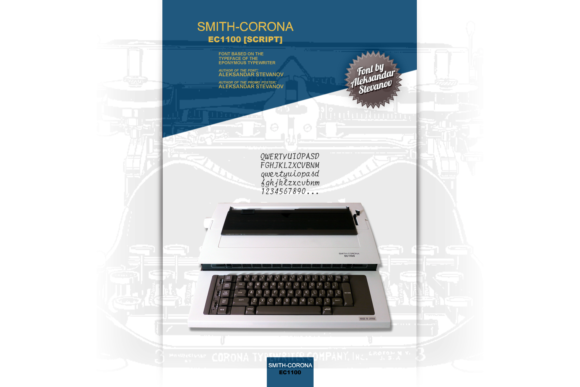
Smith-Corona EC1100 Script: A Retro Handwritten Font for Modern Creativity
The Smith-Corona EC1100 Script is a nostalgic, retro handwritten font that brings the charm of typewriters into the digital age. Designed to mimic the look and feel of classic typewriter scripts, this font is popular among designers, bloggers, educators, and entrepreneurs who want to add a personal, vintage touch to their work. Whether you're creating logos, marketing materials, or blog posts, the EC1100 Script can elevate your visual communication with its unique character and timeless appeal.
Why People Love Smith-Corona EC1100 Script
Many users are drawn to the Smith-Corona EC1100 Script because of its authentic typewriter aesthetic. It gives a sense of craftsmanship and history that modern sans-serif fonts often lack. This font is especially useful for projects that require a handcrafted or vintage vibe, such as wedding invitations, book covers, or branding for artisanal businesses.
However, some people may not realize that this font isn't always the best choice. For instance, using it in long paragraphs or on small screens can reduce readability. It's important to understand when and where to use the EC1100 Script effectively.
Common Mistakes When Using Smith-Corona EC1100 Script
One common mistake is applying the font to large blocks of text. Because it mimics handwriting, it can be hard to read in extended passages. This can lead to poor user experience, especially if the content is critical or needs to be quickly consumed.
Another mistake is using the font without considering its compatibility with different platforms. Some versions of the font might not render correctly on mobile devices or certain web browsers, which can affect how your design looks across various devices.
Some users also overlook the importance of pairing the EC1100 Script with other fonts. While it works well for headings or accents, it’s rarely suitable as a primary body font. Combining it with a clean, readable sans-serif or serif font can enhance both aesthetics and usability.
How to Avoid Common Pitfalls
To ensure the Smith-Corona EC1100 Script enhances rather than hinders your project, consider these practical tips:
- Use it sparingly: Apply the font to headlines, signatures, or short phrases rather than lengthy paragraphs.
- Test on multiple devices: Check how the font appears on desktops, tablets, and smartphones before finalizing your design.
- Pair with complementary fonts: Combine it with a more legible font for body text to maintain clarity and balance.
For example, if you're designing a poster for an art exhibition, you could use the EC1100 Script for the title and a simple sans-serif like Helvetica for the event details. This approach keeps the design visually interesting while ensuring the information remains easy to read.
Choosing the Right Version of Smith-Corona EC1100 Script
Before downloading or purchasing the Smith-Corona EC1100 Script, make sure you choose the right version for your needs. Some versions may only include basic characters, while others offer extended language support or additional stylistic variations. Always check the license agreement to confirm whether the font is suitable for commercial use or if it requires attribution.
If you're unsure about the font's compatibility with your software, test it in a trial version first. Many font websites offer free trials that allow you to preview the font in your preferred application before committing to a purchase.
Comparing Smith-Corona EC1100 Script with Similar Fonts
If you're considering the Smith-Corona EC1100 Script, it's worth comparing it with similar retro fonts like the Canon TypeStar 210. Both fonts share a typewriter-inspired design, but they differ in stroke weight, spacing, and overall style. The Canon TypeStar 210 has a slightly bolder appearance, making it more suitable for larger formats like posters or signage.
On the other hand, the EC1100 Script offers a more delicate, elegant look, which works better for smaller designs such as logos or social media graphics. Understanding these differences can help you choose the font that best aligns with your creative goals.
Practical Tips for Using Retro Fonts in Design
Retro fonts like the Smith-Corona EC1100 Script can add a unique personality to your work, but they need to be used thoughtfully. Here are a few more tips to keep in mind:
- Limit color usage: Stick to one or two colors when using the EC1100 Script to avoid overwhelming the viewer.
- Ensure proper spacing: Adjust letter and line spacing to prevent the text from looking cluttered or cramped.
- Consider contrast: Use the font against a solid background or with enough white space to make it stand out clearly.
By following these guidelines, you can create designs that are both stylish and functional. Remember, the goal is to enhance your message—not obscure it.
Final Thoughts on Smith-Corona EC1100 Script
The Smith-Corona EC1100 Script is a powerful tool for anyone looking to add a vintage flair to their digital creations. Its typewriter-inspired design makes it ideal for a wide range of applications, from branding to print media. However, it's essential to use it wisely to ensure your content remains clear, professional, and effective.
By avoiding common mistakes and understanding how to pair the font with other elements, you can unlock its full potential and create designs that resonate with your audience. Whether you're a beginner or an experienced designer, taking the time to learn about the nuances of retro fonts like the EC1100 Script will help you produce more impactful and memorable work.