Qtie Script: A Strategic Tool for Adding Playfulness and Charm to Your Projects
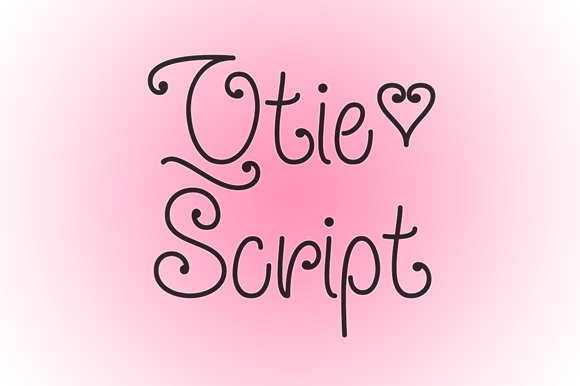
Qtie Script is a unique typographic style that introduces a soft, whimsical, and approachable aesthetic to digital and print projects. While it may seem like a minor stylistic choice, its strategic application can significantly enhance user engagement, brand personality, and overall project impact. This script is not just about visual appeal—it’s about creating emotional resonance with your audience. When used thoughtfully, Qtie Script can support a wide range of goals, from improving communication to strengthening branding and boosting creativity.
The Strategic Value of Qtie Script in Project Design
In today's competitive digital landscape, standing out requires more than just functionality—it demands emotional connection. Qtie Script offers a way to inject warmth, charm, and playfulness into your work without compromising professionalism. It’s particularly effective in industries where human connection is key, such as education, creative services, lifestyle brands, and customer-facing platforms.
Consider using Qtie Script in headlines, call-to-action buttons, or branding elements where you want to convey friendliness and accessibility. For example, an educational platform aiming to engage younger audiences might use this script in interactive modules or promotional content to make learning feel more inviting.
However, the effectiveness of Qtie Script depends on context. It should be used selectively—too much can dilute the message or appear unprofessional. Think of it as a design element that complements rather than overshadows your core message.
When and How to Use Qtie Script Effectively
Qtie Script is most impactful when applied in specific scenarios. Here are some strategic use cases:
- Branding and Marketing: Incorporate Qtie Script in logos, taglines, or social media visuals to create a memorable and personable brand identity.
- User Interfaces (UI): Use it sparingly in UI elements such as navigation menus, buttons, or tooltips to add a touch of fun and reduce cognitive load.
- Content Creation: Apply it in blog headers, email subject lines, or video captions to draw attention and encourage interaction.
- Presentations and Reports: Use it in titles or section headers to make complex information feel more approachable and engaging.
To ensure success, start by defining your objectives. Are you trying to build trust, increase conversions, or simply enhance aesthetics? Once your goals are clear, evaluate whether Qtie Script aligns with your brand voice and target audience.
Planning Tips for Intentional Use of Qtie Script
Before implementing Qtie Script, consider the following steps:
- Define Purpose: What do you hope to achieve with this script? Is it to evoke emotion, improve readability, or reinforce brand identity?
- Analyze Audience: Does your target demographic respond positively to playful and charming aesthetics? Research shows that younger audiences often prefer more expressive and dynamic typography.
- Evaluate Context: Will the use of Qtie Script interfere with legibility or distract from your message? Test it in different environments to see how it performs.
- Test and Iterate: Start with small-scale implementations, gather feedback, and refine your approach based on real-world performance.
This structured approach ensures that Qtie Script serves a functional purpose rather than being used as a superficial design choice.
Strategic Considerations for Long-Term Use
While Qtie Script can enhance your projects, it’s important to recognize potential risks. Overuse can lead to inconsistency, reduced readability, or misalignment with your brand’s tone. Additionally, if your audience expects a formal or professional look, introducing Qtie Script without careful planning could create confusion or diminish credibility.
To mitigate these risks, establish clear guidelines for its usage. Decide on specific areas where it will be applied and maintain consistency across all platforms. Also, consider pairing Qtie Script with complementary fonts that provide contrast and balance.
Another consideration is scalability. As your project grows, ensure that the script remains appropriate for new contexts. Regularly review its impact and adjust accordingly to maintain alignment with evolving goals and audience expectations.
Real-World Examples of Qtie Script in Action
Many successful brands have integrated Qtie Script effectively into their designs. For instance, a children’s book publisher might use it in titles and illustrations to create a sense of wonder and curiosity. Similarly, a wellness app targeting young professionals could incorporate it in motivational quotes or daily reminders to foster positivity and engagement.
In both cases, the script supports the broader brand strategy by reinforcing the desired emotional tone. The key is to ensure that every instance of Qtie Script contributes meaningfully to the overall experience.
Conclusion: Using Qtie Script with Purpose
Qtie Script is more than just a decorative font—it’s a strategic tool that can enhance your projects when used intentionally. By aligning it with your goals, understanding your audience, and applying it thoughtfully, you can create compelling experiences that resonate emotionally and functionally.
Whether you're building a brand, launching a product, or enhancing a digital interface, consider how Qtie Script can help you achieve better outcomes. Let it be a part of your design language that reflects your values, engages your audience, and supports your long-term vision.