Arlington Script: A Timeless Handwritten Font for Design Projects
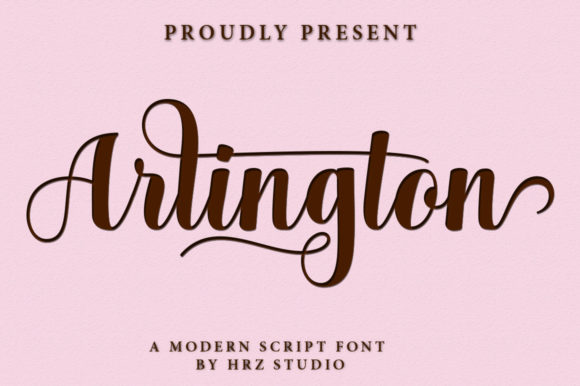
Arlington Script is a flowing handwritten font that brings an elegant touch to any design project. Its distinct and timeless style makes it a popular choice among designers looking to add a personal, artistic flair to their work. With its PUA encoded features, users can easily access all the glyphs and swashes, making it both versatile and user-friendly.
Understanding Arlington Script
Arlington Script belongs to the category of script fonts, which are typically used for headings, logos, and other design elements where a more personal or artistic feel is desired. Unlike block letters or sans-serif fonts, script fonts mimic the natural flow of handwriting, giving them a unique charm and character.
The font's flowing lines and elegant curves give it a soft, approachable appearance, making it ideal for projects that require a touch of sophistication without being overly formal. It is particularly well-suited for use in invitations, branding materials, and creative content such as blog headers or social media posts.
What Makes Arlington Script Distinct?
One of the standout features of Arlington Script is its ability to convey a sense of elegance while maintaining readability. The font’s design includes subtle variations in stroke width and curvature, which help to differentiate it from other script fonts. These details contribute to its overall appeal and make it stand out in a crowded market of similar typefaces.
Another key feature of Arlington Script is its PUA (Private Use Area) encoding. This means that users can access special characters, ligatures, and swashes through a keyboard or font editor. This level of customization allows designers to create more dynamic and visually engaging text, especially when working on projects that require a high degree of personalization.
Comparing Arlington Script with Other Script Fonts
While there are many script fonts available, each with its own unique characteristics, Arlington Script has several advantages that set it apart. For instance, compared to more ornate script fonts like Brush Script or Cinzel Decorative, Arlington Script offers a more balanced and readable appearance. This makes it a better choice for longer texts or situations where legibility is important.
In contrast to simpler, more modern script fonts such as Pacifico or Great Vibes, Arlington Script has a more traditional and refined look. This makes it particularly well-suited for projects that aim to evoke a sense of nostalgia or classic elegance, such as wedding invitations, vintage-themed designs, or luxury branding.
However, it is worth noting that Arlington Script may not be the best choice for every situation. For example, if a project requires a highly stylized or decorative font, there may be other options that are more appropriate. Similarly, if a designer is looking for a font with a more casual or playful feel, they might consider alternatives like Quicksand or Lato.
Strengths and Tradeoffs of Using Arlington Script
One of the main strengths of Arlington Script is its versatility. It can be used in a wide range of design contexts, from digital media to print materials. Its elegant yet approachable style makes it suitable for both professional and personal projects, ensuring that it can be adapted to fit a variety of needs and preferences.
Another advantage of using Arlington Script is its ease of use. Thanks to its PUA encoding, users can quickly access and customize special characters and swashes without needing additional tools or plugins. This makes it a practical choice for designers who want to streamline their workflow and focus on creativity rather than technical challenges.
However, there are also some tradeoffs to consider. For instance, while Arlington Script is highly readable for short phrases and headings, it may not be the best option for large blocks of text. The flowing nature of the font can sometimes make it difficult to read in long paragraphs, especially at smaller sizes.
Additionally, because it is a script font, it may not be the most suitable choice for projects that require a high level of formality or professionalism. In these cases, a more structured and uniform font, such as Helvetica or Times New Roman, may be a better option.
Best-Fit Situations for Arlington Script
Arlington Script is particularly well-suited for use in a variety of creative and design-related applications. Some of the best-fit situations include:
- Wedding Invitations and Stationery: The elegant and romantic feel of Arlington Script makes it a popular choice for wedding invitations, thank-you cards, and other stationery items.
- Branding and Logo Design: The font’s unique style can help create a memorable brand identity, especially for businesses that want to convey a sense of sophistication and class.
- Social Media Graphics: When used in headlines or captions, Arlington Script can add a personal touch to social media posts, making them more engaging and visually appealing.
- Blog Headers and Website Titles: The font’s readability and aesthetic appeal make it a great choice for blog headers, website titles, and other digital content that requires a more artistic feel.
These examples illustrate how versatile and adaptable Arlington Script can be. Whether you’re designing a simple graphic or a complex layout, this font can help bring your vision to life with ease and elegance.
When to Choose Another Option
While Arlington Script is a fantastic choice for many design projects, there are certain situations where another font may be more appropriate. For instance, if a project requires a more modern or minimalist look, a sans-serif font like Montserrat or Roboto may be a better fit. These fonts offer a clean and contemporary appearance that is well-suited for websites, apps, and other digital interfaces.
Similarly, if a project involves a lot of text, such as a book or a long-form article, a serif font like Georgia or Garamond may be a better choice. These fonts are designed for readability and can help ensure that the text is easy to read and understand, even over extended periods.
In addition, if a designer is looking for a font with a more dramatic or expressive feel, there are several other script fonts that may be worth considering. For example, Bickham Script Pro offers a more elaborate and ornate style, while Playfair Display provides a more refined and sophisticated look.
Ultimately, the choice of font will depend on the specific needs and goals of the project. By understanding the strengths and limitations of different fonts, designers can make more informed decisions and choose the one that best suits their requirements.